Santorini Travel Guide: Everything You Need to Know Before You Visit
Santorini is one of the most extraordinary islands in the world. Formed by a cataclysmic volcanic eruption around 1600 BC, it is a place where dramatic geology, ancient history, world-class wine and breathtaking beauty come together in a way found nowhere else on Earth. This Santorini travel guide covers everything you need to know — from the iconic villages and hidden beaches to the best food, wine and experiences the island has to offer. Written by the local team at SantoMax, who have been guiding visitors across this island for over a decade.
About Santorini — The Volcanic Island
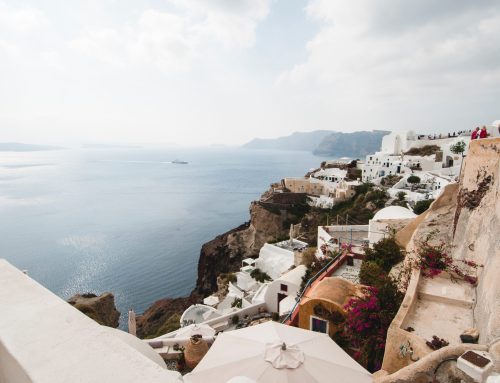
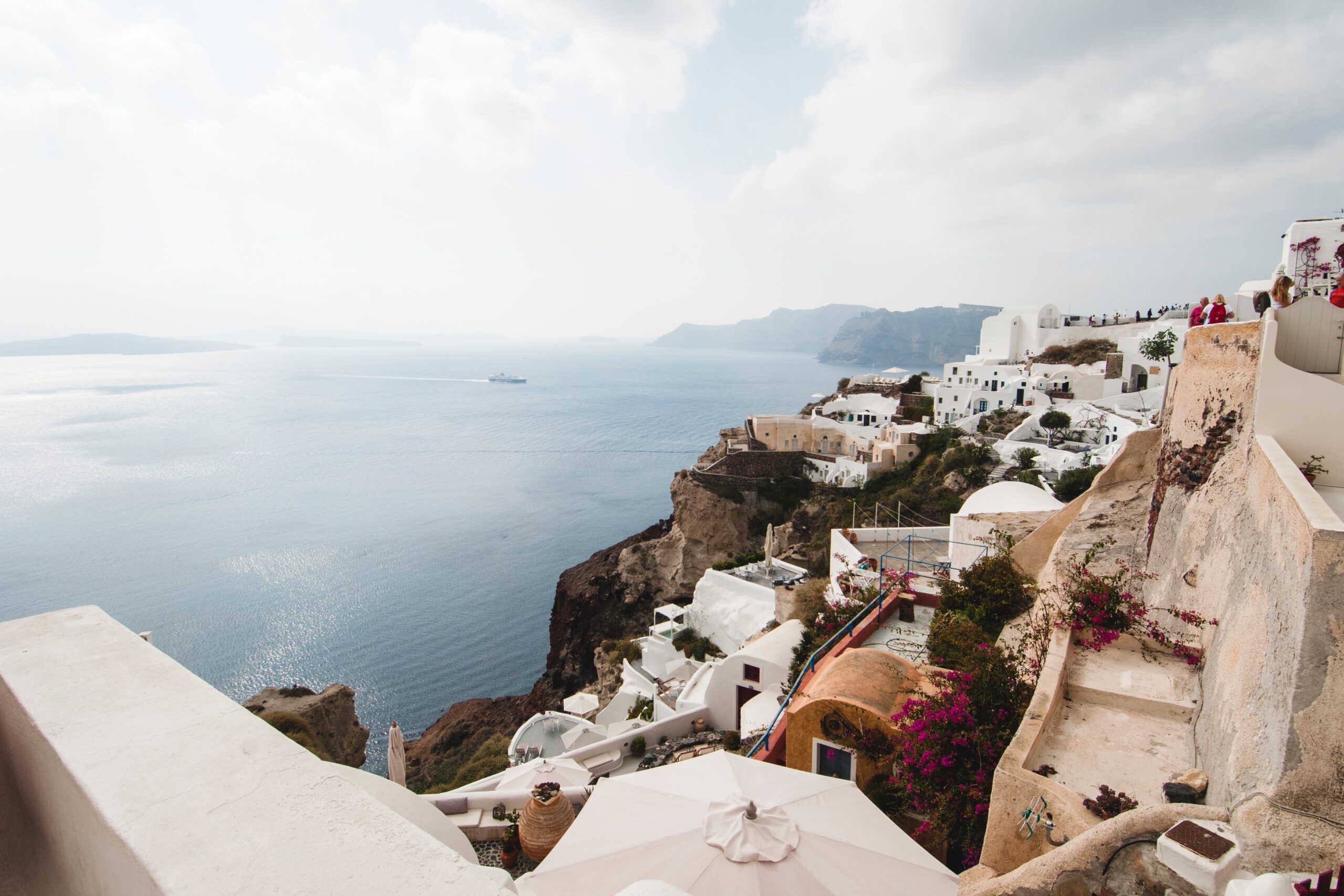
Santorini — officially known as Thira — is a small island in the southern Aegean Sea, part of the Cyclades archipelago in Greece. What makes it unique is its origin. Around 1600 BC, a massive volcanic eruption caused the centre of the island to collapse into the sea, creating the dramatic crescent-shaped caldera we see today. The result is one of the most breathtaking landscapes in the world: sheer cliffs up to 300 metres high, white-washed villages perched on the rim, and the deep blue caldera stretching out below.
Santorini is the only inhabited volcanic caldera in the world. Furthermore, it is home to one of the most ancient and continuously occupied settlements in human history — the Minoan city of Akrotiri, buried under volcanic ash for 3,600 years and discovered in remarkable condition. As a result, every view on this island carries the weight of deep history.
Santorini’s Villages — Where to Go
Oia — The Most Iconic Village
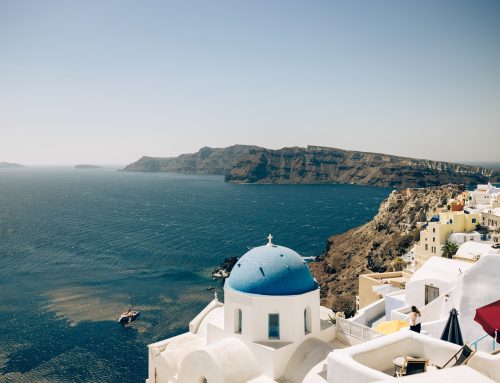
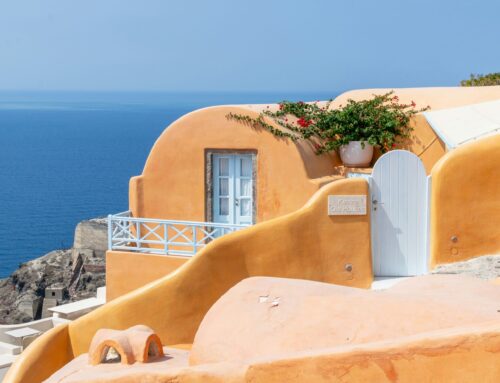

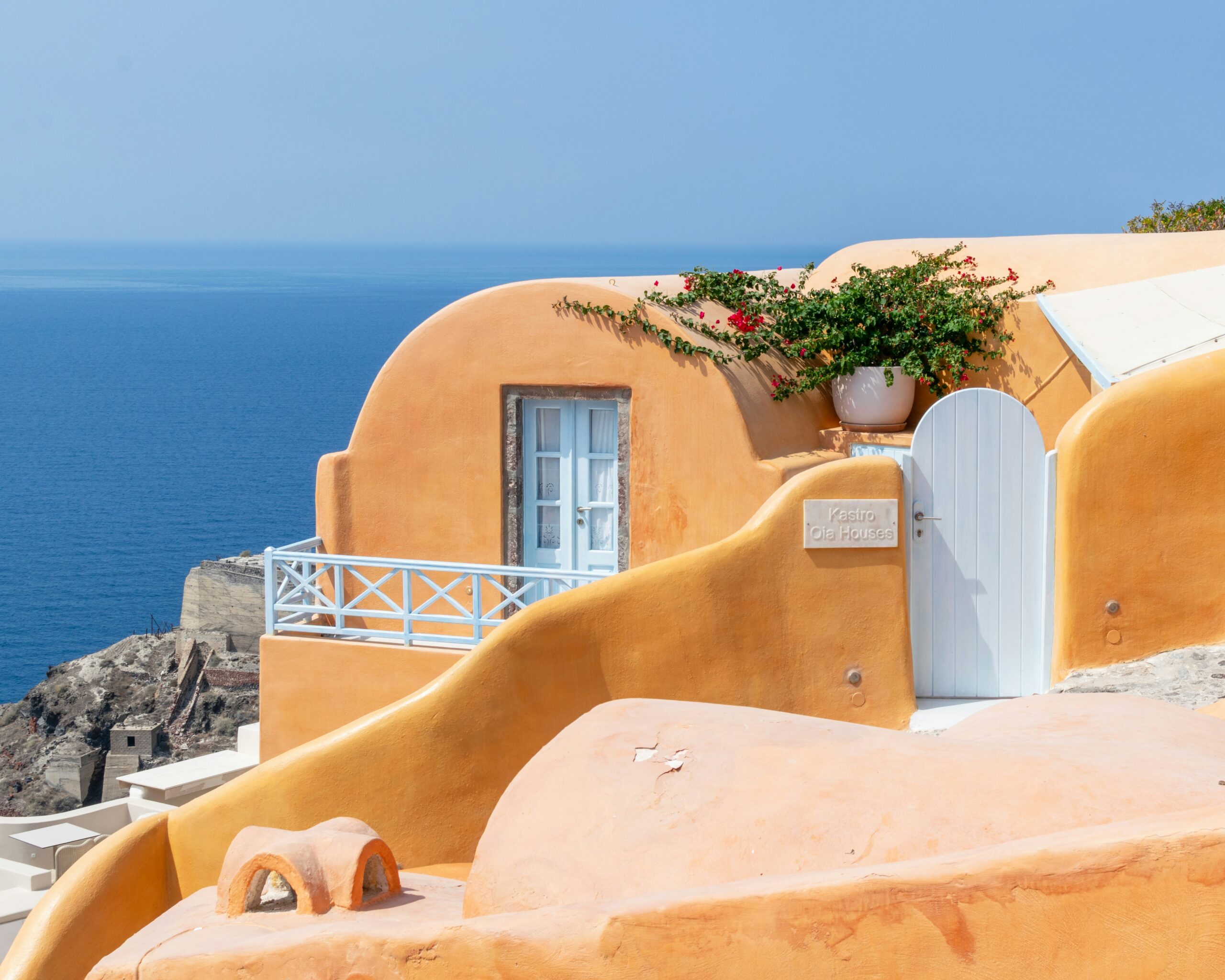
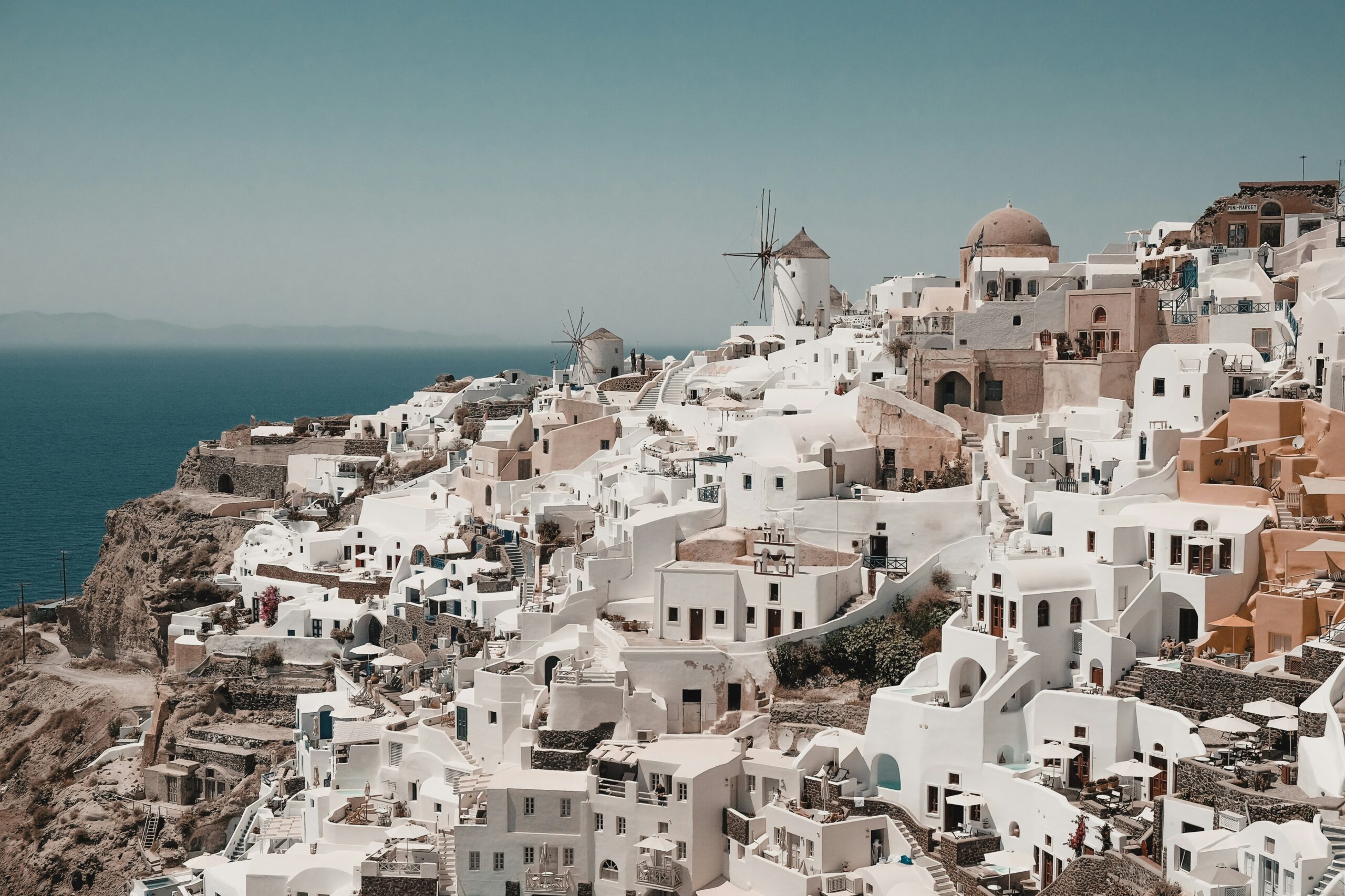
Oia (pronounced ‘Ee-ah’) is the village that appears in almost every Santorini photograph. Perched at the northern tip of the island, it is famous for its blue-domed churches, cave-style houses carved into the cliff and the most celebrated sunset view in Greece. Moreover, Oia is home to excellent art galleries, jewellery shops and some of the island’s finest restaurants. However, it gets extremely crowded in the afternoon and at sunset, so arriving early in the morning gives a completely different — and far more magical — experience.
Fira — The Capital
Fira is the capital of Santorini and the island’s main hub. It sits dramatically on the caldera rim and offers a wide range of restaurants, bars, shops and museums. The Archaeological Museum and the Museum of Prehistoric Thera are both worth visiting. Additionally, Fira is the starting point for the famous Fira to Oia hiking trail, one of the best walks in all of Greece
Imerovigli — The Balcony to the Aegean
Imerovigli sits at the highest point of the caldera rim between Fira and Oia. It is known as the ‘Balcony to the Aegean’ because the views from here are, arguably, the best on the entire island. It is also noticeably quieter than both Fira and Oia, making it an ideal base for visitors who want stunning views without the crowds. The dramatic Skaros Rock — a medieval castle ruin jutting into the caldera — is located here and is well worth a short walk.
Pyrgos — The Hidden Gem
Pyrgos is one of the most beautiful and authentic villages on Santorini. Located inland at the highest point of the island, it was the island’s capital in medieval times. Today it offers a labyrinth of narrow cobbled lanes, a Venetian castle, traditional chapels and panoramic views of the entire island. Furthermore, Pyrgos is surrounded by some of Santorini’s finest wineries and is an essential stop on any wine tour. Unlike Oia and Fira, Pyrgos sees far fewer tourists and offers a genuinely local atmosphere.
Megalochori — Traditional Santorini
Megalochori is a charming village in the south of the island, largely untouched by mass tourism. Its traditional Cycladic architecture, quiet squares and authentic tavernas make it one of the most pleasant places to spend a quiet afternoon. The surrounding area is also rich in wineries and local farms, making it a natural part of any food and wine experience.
Akrotiri — Where History Comes Alive
Akrotiri is home to the most significant archaeological site in the Aegean — a complete Minoan city buried under volcanic ash in 1600 BC and preserved in extraordinary detail. Often called the ‘Greek Pompeii’, it offers a genuine window into Bronze Age civilisation. The site is sheltered indoors, making it a perfect activity for the hottest part of the day. Additionally, nearby Akrotiri village is charming and far less visited than the northern part of the island.
Santorini’s Beaches — The Complete Guide
Santorini’s beaches are unlike any others in Greece. Formed by volcanic activity, they feature extraordinary black, red and white sand — a dramatic reminder of the island’s geological origins. Here is a guide to the best beaches on the island.
Perissa & Kamari — The Black Sand Beaches
Perissa and Kamari are the island’s most popular and well-organised beaches, both featuring the distinctive black volcanic sand for which Santorini is famous. Perissa stretches for nearly 7 kilometres and offers a full range of amenities — sunbeds, tavernas, water sports and accommodation. Kamari is similarly well-equipped and has excellent transport links to Fira. Both beaches have crystal-clear water and are ideal for swimming and snorkelling. The dramatic Mesa Vouno mountain separates the two beaches and is worth exploring
Red Beach — Santorini’s Most Dramatic Beach
Red Beach is one of the most visually spectacular beaches in the entire Mediterranean. Located just a short walk from the Akrotiri archaeological site, it sits beneath towering red volcanic cliffs that drop dramatically into the sea. The combination of red rock, black sand and vivid blue water creates a landscape of extraordinary beauty. Access is on foot from the nearby car park — a short but uneven path. Note that the beach can be partially closed due to rockfall; always check conditions before visiting.
White Beach — Only Accessible by Boat
White Beach (Aspri Ammos) sits just west of Red Beach and offers a similarly dramatic volcanic setting — but with lighter, whitish cliffs. It is accessible only by boat or on foot via a challenging path. The effort is rewarded with a quiet, secluded swimming spot far from the main tourist crowds.
Ammoudi Bay — Oia’s Secret Harbour
At the bottom of 214 steps below Oia lies Ammoudi Bay — a tiny, magical harbour with crystal-clear deep water, colourful fishing boats and a handful of excellent fish tavernas built right over the sea. Swimming off the rocks here is a Santorini highlight that most tourists miss entirely. The walk down is easy; the walk back up is a workout — but absolutely worth it.
Vlychada — The Moonscape Beach
Vlychada, on the southern coast, is one of Santorini’s most unusual and beautiful beaches. Its defining feature is the extraordinary white volcanic cliffs behind the beach — eroded by wind and water into surreal shapes that resemble a moonscape. The beach itself is quiet and less visited, making it ideal for those seeking solitude.
Beaches for Families
For families with children, Kamari and Perivolos are the safest and most practical options — both have calm, shallow water at the shore, good facilities and easy access. Monolithos, in the east of the island, is particularly calm and shallow, making it the most family-friendly beach on Santorini.
Santorini Wine — A World-Class Destination
Santorini is one of Greece’s most celebrated wine regions and produces wines that are internationally recognised for their exceptional quality. The island’s volcanic soil, combined with a unique microclimate and ancient viticulture techniques, creates conditions found nowhere else in the world.
Assyrtiko — Santorini’s Famous Grape
The Assyrtiko grape is the undisputed king of Santorini wine. It produces crisp, mineral-rich dry white wines with a distinctive volcanic character — a combination of citrus, saline and smoky notes that is completely unique to this island. Furthermore, Assyrtiko has a remarkable natural acidity that allows it to age exceptionally well.
The Basket Vine Training Method
One of the most extraordinary sights in Santorini’s wine country is the vines themselves. Because of the island’s powerful summer winds, local farmers developed a unique technique over thousands of years — weaving the vines into low basket shapes close to the ground. This protects the grapes from the wind and captures morning dew for moisture. As a result, these ‘kouloura’ vines are some of the oldest continuously cultivated vines in the world, with some estimated to be over 200 years old.
Vinsanto — The Sweet Wine of Santorini
Vinsanto is Santorini’s extraordinary sweet wine, made from sun-dried Assyrtiko grapes. Rich, complex and deeply flavoured, it pairs beautifully with desserts, strong cheeses and Santorini’s local honey. It is one of the most distinctive and sought-after wines in all of Greece.
Santorini Food — What to Eat
Santorini’s cuisine is shaped by its volcanic soil, which produces some of Greece’s most distinctive local ingredients. The island has a genuine gastronomic identity that goes far beyond the standard tourist taverna fare.
Santorini’s Unique Local Ingredients
- Santorini Cherry Tomatoes:
Grown in volcanic soil with very little water, these tiny tomatoes have an intense, concentrated sweetness unlike any other variety. They are the basis of tomatokeftedes — the island’s famous tomato fritters — and are one of the most memorable flavours you will taste.
- Santorini Fava:
The local yellow split peas, grown on the island for thousands of years, are made into a smooth, earthy puree and served with capers, olive oil and onion. Santorini fava has a Protected Designation of Origin and is considered one of Greece’s finest traditional foods.
- White Aubergine:
Smaller, sweeter and less bitter than regular aubergine, the Santorini white aubergine is a local delicacy grown only on this island. It is typically roasted or cooked into a salad and has a delicate, almost creamy flavour.
Where to Eat
For the most authentic food experience, look for small family-run tavernas in the inland villages — Pyrgos, Megalochori and Emporio offer excellent local restaurants with far better value and quality than the caldera-view restaurants of Oia and Fira. However, if you want the experience of dining with a caldera view, book early — the best restaurants fill up months in advance in high season
Best Things to Do in Santorini
Santorini offers far more than sunsets and caldera views. Here are the experiences that our local team considers truly unmissable.
- Hike from Fira to Oia along the caldera rim — one of the great walks in Greece
- Take a sunset cruise around the caldera — unforgettable from the water
- Visit the Akrotiri archaeological site — the ‘Greek Pompeii’
- Do a guided wine tour of the island’s volcanic wineries
- Explore Pyrgos village and its medieval castle at sunrise or sunset
- Swim at Red Beach beneath the towering volcanic cliffs
- Walk down to Ammoudi Bay below Oia for lunch at a harbour taverna
- Take a private island road tour to cover the highlights with local insight
- Try the Santorini flying dress photoshoot at iconic caldera locations
- Experience the island’s gastronomy with a local cooking class
Practical Santorini Travel Information
How to Get to Santorini
Santorini is served by Santorini (Thira) International Airport, which receives direct flights from Athens and many major European cities during the summer season. The flight from Athens takes approximately 45 minutes and is the fastest and most convenient option. Alternatively, ferries run from Athens (Piraeus port), with high-speed catamarans taking around 5 hours and the slower conventional ferry taking 8 hours. Ferries also connect Santorini to other Cycladic islands including Mykonos, Naxos, Paros and Milos.
Getting Around Santorini
The most comfortable and flexible way to explore Santorini is with a private driver or private tour. The island’s roads are winding and can be challenging to navigate, particularly in high season. Public buses (KTEL) connect the main villages and beaches during the summer and are an economical option. Taxis are available but should be booked in advance during busy periods. Renting an ATV or car is popular but requires care on the narrow island roads
Best Time to Visit
The best time to visit Santorini is May, June or September. These months offer excellent weather, manageable crowds and full availability of all tours and experiences. July and August are the hottest and most crowded months — still wonderful but requiring advance bookings for everything. April and October offer quieter conditions and better prices, with most tours still operating.
How Many Days Do You Need?
We recommend a minimum of 3 nights in Santorini to experience the island properly. Two nights is the bare minimum if your time is limited. Four or five nights allows a truly relaxed pace, with time for a hike, a cruise, a wine tour and still leave time to simply sit and absorb the extraordinary views.
Currency and Payments
Santorini uses the Euro. Credit and debit cards are widely accepted in hotels, restaurants and shops. However, it is advisable to carry some cash for smaller purchases, local markets and traditional tavernas. ATMs are available in Fira, Oia and the main tourist areas.
Language
Greek is the official language. However, English is very widely spoken across the island, particularly in hotels, restaurants and tour companies. Most signage in tourist areas is bilingual.
Explore Santorini with SantoMax
SantoMax is a local Santorini tour company with over a decade of experience sharing this extraordinary island with visitors from around the world. We offer private island tours, guided wine experiences, sunset cruises, gastronomy tours, transfers and unique creative experiences — all led by passionate local guides who know every hidden corner of the island.
With a perfect 5.0 rating on TripAdvisor from over 110 verified reviews, we are proud to be one of Santorini’s most trusted and recommended operators. Browse our full range of tours and experiences, and book directly with us at SantoMax.com for the best prices and the most personal service on the island.